
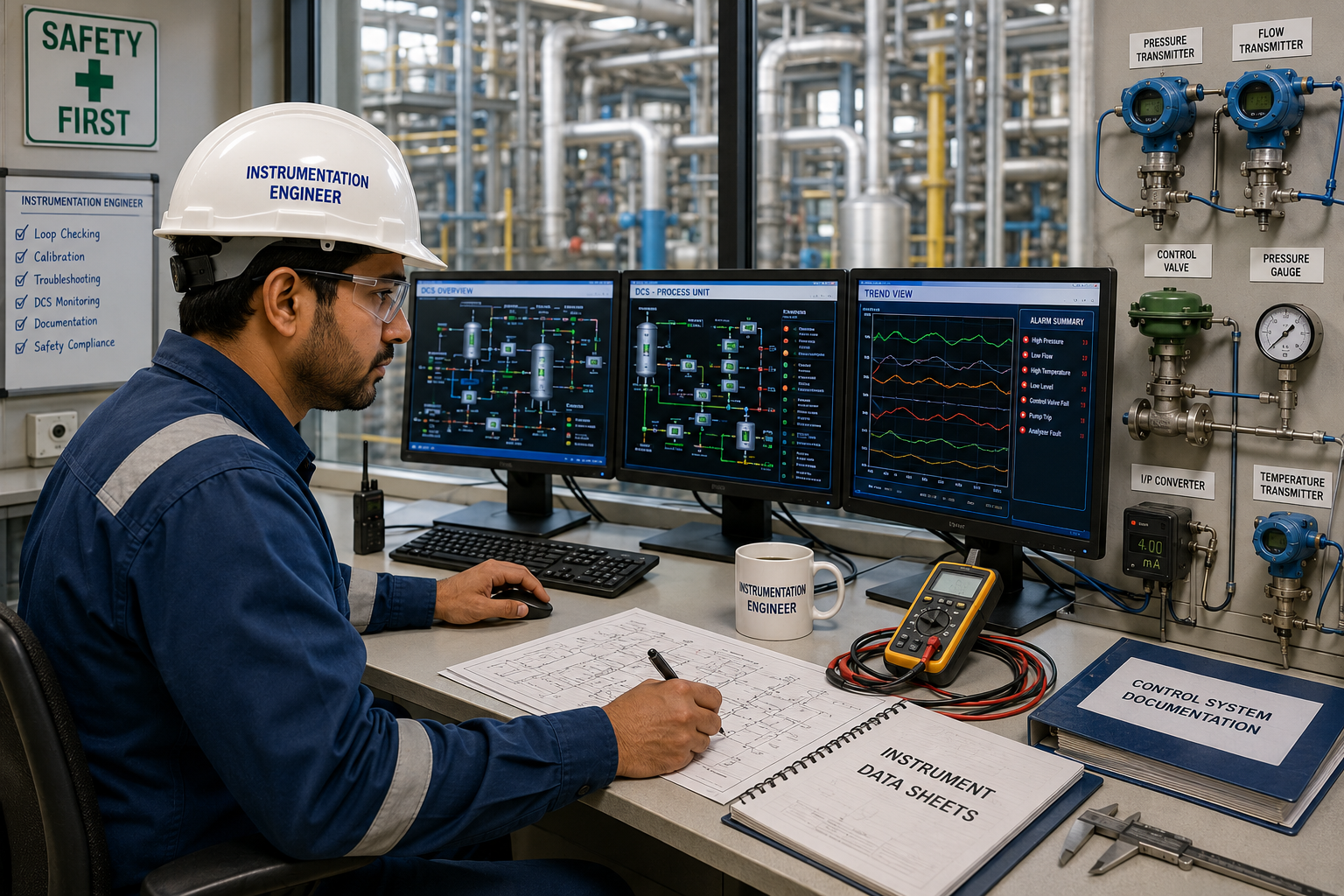
Saudi Arabia is experiencing one of the world’s largest industrial transformations through Vision 2030. Massive investments in oil & gas, petrochemicals, power plants, renewable energy, water treatment facilities, and infrastructure projects have created significant demand for instrumentation professionals.
Instrumentation engineers and technicians play a critical role in ensuring that industrial plants operate safely, efficiently, and reliably. As industries continue to automate processes and adopt smart technologies, instrumentation jobs in Saudi Arabia are becoming increasingly attractive for both experienced professionals and fresh graduates.
This article provides a comprehensive overview of instrumentation careers in Saudi Arabia, including job roles, responsibilities, qualifications, salaries, and future opportunities.
What is Instrumentation?
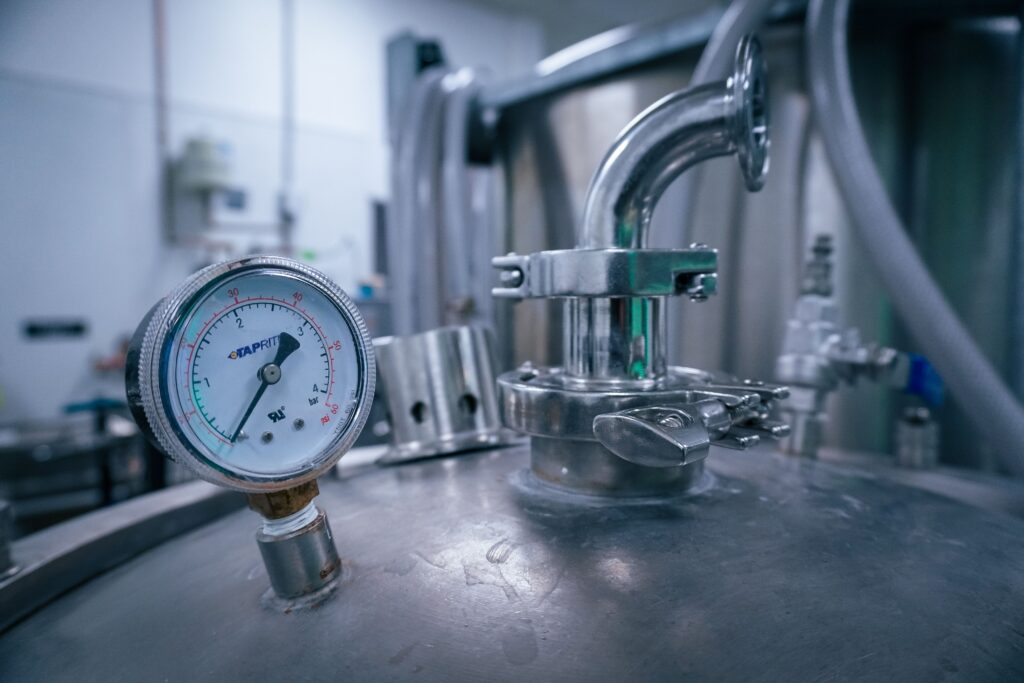
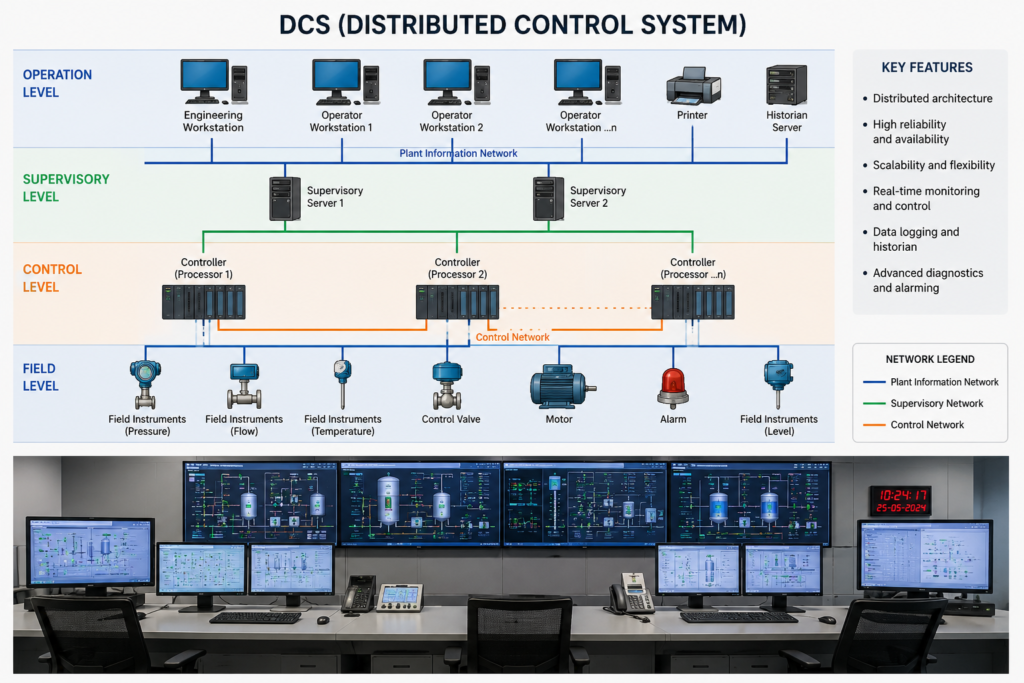
Instrumentation is the branch of engineering that deals with measuring, monitoring, and controlling industrial processes. It involves the use of sensors, transmitters, control valves, PLCs (Programmable Logic Controllers), DCS (Distributed Control Systems), and SCADA systems.
Instrumentation professionals ensure that critical parameters such as:
- Pressure
- Temperature
- Flow
- Level
- Vibration
- Gas concentration
are accurately measured and controlled to maintain safe plant operations.
Why Saudi Arabia Needs Instrumentation Professionals?
Saudi Arabia’s economy heavily relies on industries that require sophisticated process control systems. Some major sectors include:
1. Oil and Gas
The Kingdom possesses some of the largest oil reserves in the world. Refineries, offshore platforms, gas processing plants, and pipelines require extensive instrumentation systems.
2. Petrochemical Industry
Large petrochemical complexes depend on advanced automation and control systems to maintain product quality and plant safety.
3. Power Generation
Power plants use instrumentation to monitor turbines, boilers, generators, and environmental systems.
4. Water Desalination Plants
Saudi Arabia is one of the world’s largest producers of desalinated water, creating opportunities for instrumentation specialists.
5. Renewable Energy Projects
Solar and wind energy projects are expanding rapidly under Vision 2030, increasing demand for automation and control professionals.
Types of Instrumentation Jobs in Saudi Arabia
Instrumentation Technician
Instrumentation technicians install, calibrate, troubleshoot, and maintain field instruments.
Responsibilities:
- Calibration of transmitters and gauges
- Control valve maintenance
- Loop checking
- Instrument installation
- Troubleshooting field instruments
- Preventive maintenance activities
Qualifications:
- Diploma in Instrumentation or Electronics
- Experience with calibration tools
- Knowledge of industrial safety procedures
Instrumentation Engineer
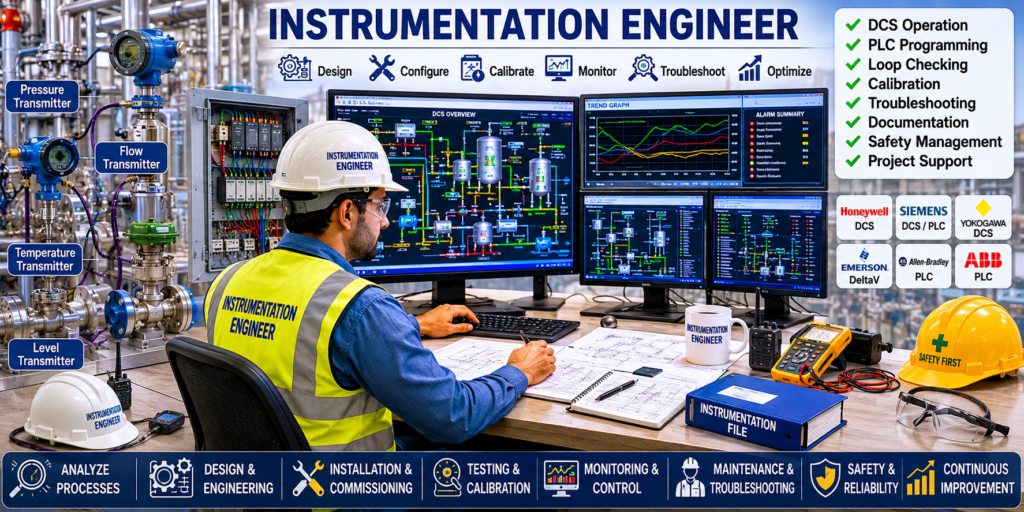
Instrumentation engineers design, configure, and optimize control systems.
Responsibilities:
- Instrument selection and specification
- Control system design
- PLC and DCS programming
- Technical documentation
- Commissioning activities
- Process optimization
Qualifications:
- Bachelor’s Degree in Instrumentation, Electronics, or Electrical Engineering
- Experience with DCS/PLC systems
- Knowledge of process industries
Instrument Supervisor
Instrument supervisors manage technicians and coordinate maintenance activities.
Responsibilities:
- Team supervision
- Work planning and scheduling
- Safety compliance
- Shutdown management
- Resource allocation
Instrument QC Inspector
Quality Control inspectors ensure instrumentation installations meet project specifications.
Responsibilities:
- Inspection of instrument installations
- Verification of calibration records
- Quality documentation
- Compliance checks
Commissioning Engineer
Commissioning engineers ensure systems operate correctly before plant startup.
Responsibilities:
- Loop checking
- Functional testing
- System integration testing
- Startup support
Essential Skills Required
Successful instrumentation professionals should possess:
Technical Skills
- PLC Programming
- DCS Operations
- SCADA Systems
- HART Communication
- Foundation Fieldbus
- Control Valve Maintenance
- Instrument Calibration
- Process Control Fundamentals
Software Knowledge
- Siemens PLC
- Allen Bradley PLC
- Honeywell DCS
- Yokogawa DCS
- Emerson DeltaV
- AutoCAD
- SmartPlant Instrumentation
Soft Skills
- Problem-solving
- Communication
- Teamwork
- Time management
- Safety awareness
Certifications That Increase Job Opportunities
The following certifications can significantly improve employability:
ISA Certifications
- ISA Certified Control Systems Technician (CCST)
- ISA Certified Automation Professional (CAP)
Vendor Certifications
- Siemens PLC Certification
- Honeywell DCS Training
- Yokogawa Training
- Emerson DeltaV Certification
Safety Certifications
- OSHA
- NEBOSH
- IOSH
Salary of Instrumentation Professionals in Saudi Arabia
Salary depends on experience, qualifications, project type, and company.
Instrument Technician
| Experience | Monthly Salary |
|---|---|
| 0-3 Years | SAR 3,500 – 6,000 |
| 3-7 Years | SAR 6,000 – 9,000 |
| 7+ Years | SAR 9,000 – 14,000 |
Instrument Engineer
| Experience | Monthly Salary |
| 0-3 Years | SAR 6,000 – 10,000 |
| 3-7 Years | SAR 10,000 – 16,000 |
| 7+ Years | SAR 16,000 – 30,000+ |
Instrument Supervisor
| Experience | Monthly Salary |
| 5+ Years | SAR 10,000 – 18,000 |
Additional benefits often include:
- Free accommodation
- Transportation
- Medical insurance
- Annual leave
- Air tickets
Top Companies Hiring Instrumentation Professionals
Major employers include:
- Saudi Aramco
- SABIC
- Ma’aden
- Saudi Electricity Company
- Yokogawa
- Honeywell
- Siemens
- Schneider Electric
Contracting companies involved in mega projects also recruit large numbers of instrumentation personnel.
Future of Instrumentation in Saudi Arabia
The future looks highly promising due to:
- Vision 2030 industrial expansion
- Smart manufacturing initiatives
- Industry 4.0 adoption
- Digital transformation projects
- Renewable energy developments
- Expansion of petrochemical facilities
Professionals who combine traditional instrumentation knowledge with automation, data analytics, and industrial networking skills will be in especially high demand.
How to Start a Career in Instrumentation
- Obtain a diploma or degree in Instrumentation, Electronics, or Electrical Engineering.
- Learn industrial instrumentation fundamentals.
- Gain hands-on experience with calibration equipment.
- Study PLC and DCS systems.
- Complete relevant certifications.
- Apply for internships and entry-level positions.
- Continuously update skills in automation and digital technologies.
Conclusion
Instrumentation is one of the most rewarding technical careers in Saudi Arabia. With ongoing investments in energy, petrochemicals, infrastructure, and renewable energy, demand for skilled instrumentation technicians and engineers is expected to remain strong for many years. Professionals who develop expertise in automation, control systems, and industrial digitalization can build a highly successful and financially rewarding career in the Kingdom.

Hayy, I am Mohaddis Hayat, I specialize in helping businesses optimize their websites and content for search engine visibility. I use a combination of search engine optimization (SEO) techniques such as keyword research, content optimization, link building, and technical SEO to help businesses achieve higher rankings in search engine results pages (SERPs). I also work closely with clients to develop effective SEO strategies that will help them reach their goals. I am knowledgeable about the latest SEO trends, algorithms, and best practices, and I am passionate about helping businesses succeed online.