
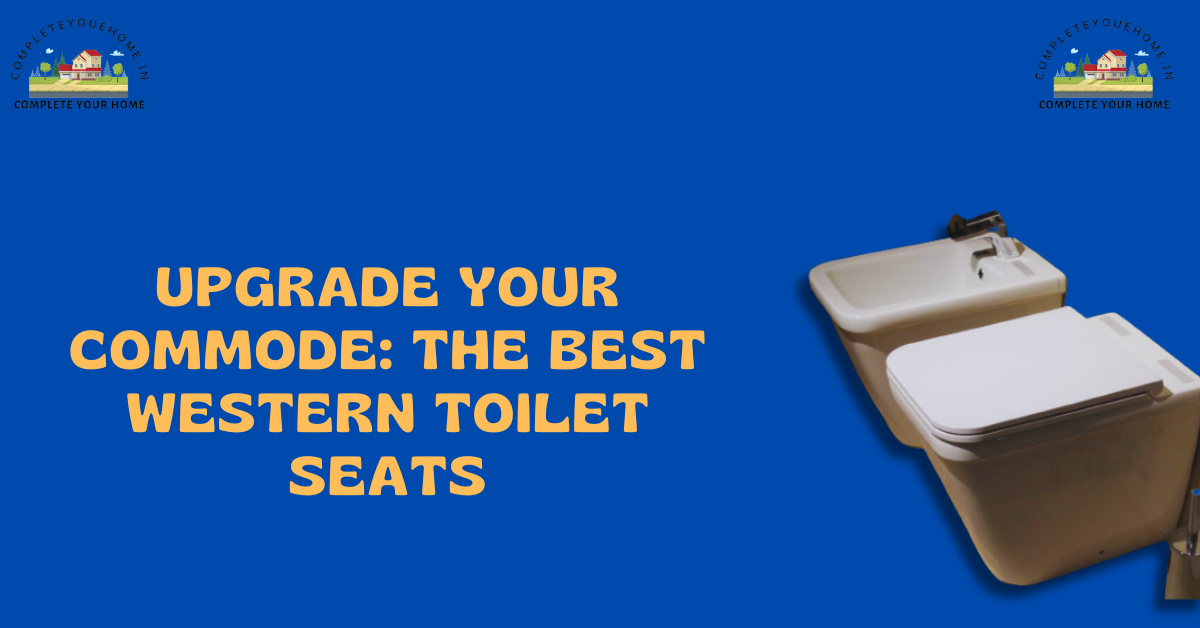
Commodes, or Western toilets, are a common fixture in modern bathrooms around the world. Western toilets, compared to traditional bathroom pits or squat toilets, offer a sitting position, making them more accessible and user-friendly. They typically consist of a seat, a ceramic bowl, a flushing mechanism, and a flush tank or reservoir.
Western toilets are made with efficient waste removal and sanitation in consideration. The flush handle or button causes water from the flush tank to be released into the bowl, creating a siphon effect that forces waste and toilet paper down the drainpipe and into the septic tank or sewage system. Maintaining the sanitary conditions in the bathroom is made easier by the process of flushing. There is a wide variety of sizes, forms, and designs available for western toilets.
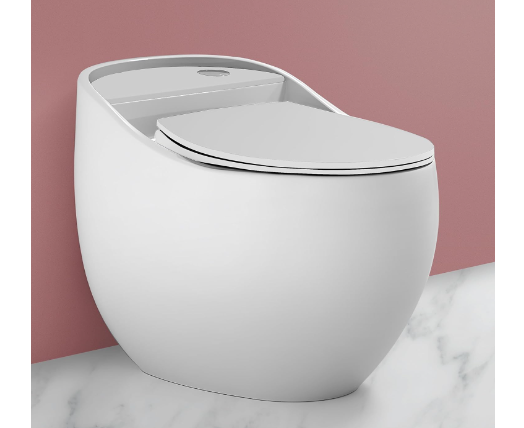
Plantex Platinium Ceramic Rimless One Piece Western Toilet
Elevate your bathroom experience with the Plantex Platinium Ceramic Rimless One-Piece Western Toilet. Upgrade to unparalleled style, comfort, and hygiene. Transform your space today for a luxurious living!
A Brief History of the Western Toilet
The first techniques of cleanliness were basic yet innovative in ancient cultures, where the Western toilet originated. Modern sanitation methods have their roots in the basic plumbing systems and public toilets created by the ancient Greeks and Egyptians. But a major advancement in toilet technology was made possible by Sir John Harington’s invention of the flush toilet in the late 16th century.
The Western toilet developed into the recognizable ceramic seat we know today over centuries of plumbing and mechanical advances. The Western toilet gained global acceptance as a typical feature in homes throughout the 19th and 20th centuries due to the frequent use of indoor plumbing.
The Science Behind Comfort and Hygiene

The combination of comfort and cleanliness is essential to Western toilet design. Ergonomic factors, including seat height and angle, are carefully designed to encourage good posture and reduce strain when using an item. Other changes that improve hygiene and user experience include bidet attachments and soft-close lids.
The Western toilet is designed with hygiene in mind, and features like the water flushing mechanism and S-trap effectively remove waste and avoid smells. The addition of antimicrobial surfaces and water-efficient flush systems emphasizes the dedication to sustainability and hygiene even more.
Cultural Perspectives and Societal Impact
In addition to serving a practical purpose, the Western toilet has cultural importance and influences social standards. The toilet’s style and design represent personal preferences and likes, as the bathroom is often seen in Western countries as a private place. On the other hand, public toilets encourage interpersonal communication and a sense of community in some cultures.
Since better sanitation prevents the transmission of disease and improves general well-being, the adoption of Western toilets in underdeveloped nations has been welcomed as a significant achievement in public health. However, many regions of the world still struggle to provide access to safe and clean sanitation, emphasizing the necessity of ongoing innovation and funding for sanitation infrastructure.
Global Challenges and Future Innovations

There are still many problems with the global sanitation system, even in spite of significant advancements. While creating safe and clean toilets is a challenge in many developing nations, millions of people lack access to even the most basic sanitation facilities. This disparity presents serious health hazards in addition to feeding the cycles of poverty and inequality. To solve these problems, a multimodal approach combining policy reform, education, and infrastructure is required. Governmental and charitable organizations are required to carry out cleanliness measures and enhance hygiene education in poor communities.
Furthermore, technological advancements have the potential to completely change sanitation worldwide. Researchers and businesspeople are investigating cutting-edge strategies to alleviate the sanitation challenge, including waterless toilets that do not require plumbing to reasonably priced sanitation systems suited for rural areas.
Pros
Cons
Overall, Western toilets have a number of benefits in terms of convenience, privacy, and hygiene, but they also have drawbacks in terms of water use, infrastructure needs, and environmental effect. Keeping these factors under check is essential.
FAQ’s
Are Western toilets bad for you?
Western toilets are not harmful by nature. They do have significant disadvantages, though, such heavy water usage and possible environmental effects, which must be balanced against their convenience and hygienic advantages.
How does the western toilet work?
Western toilets automatically refill after flushing water from the tank into the bowl, producing a siphon effect to eliminate waste and getting it ready for use again.
When was the Western toilet invented?
Sir John Harington invented the modern Western toilet in the second half of the 16th century.
Which Western toilet is the best?
Depending on personal preferences, the best Western toilet is determined by taking into consideration factors like design, functionality, water efficiency, and brand reputation.
To select the Western toilet that most closely fits your requirements and tastes, it’s important to do your homework and evaluate all of your options.
Conclusion
The Western toilet of human creativity and the search for comfort and hygiene, having evolved from ancient inventions to modern marvels. We are reminded of the connection between public health and sanitation when we consider its cultural significance and worldwide influence.
We open the door to a future in which everyone has access to clean, respectable sanitation by valuing creativity and cultural diversity. We can ensure a society in which everyone, regardless of location or economic status, may benefit from the Western toilet by making investments in sanitation infrastructure and encouraging hygiene education.