
One of the most wonderful and life-changing experiences for a woman is being pregnant for the first time. Curiosity, anxiety, and a plethora of questions accompany happiness and enthusiasm. First-time mothers frequently want assistance to effectively manage this journey, from comprehending your body’s changes to being ready for your baby’s arrival.
This article, which is divided into three key sections—health and nutrition, mental and emotional well-being, and getting ready for childbirth and motherhood—offers useful, simple-to-follow, expert-backed advice that every new pregnant woman should know.
Making Nutrition and Health a Priority During Pregnancy
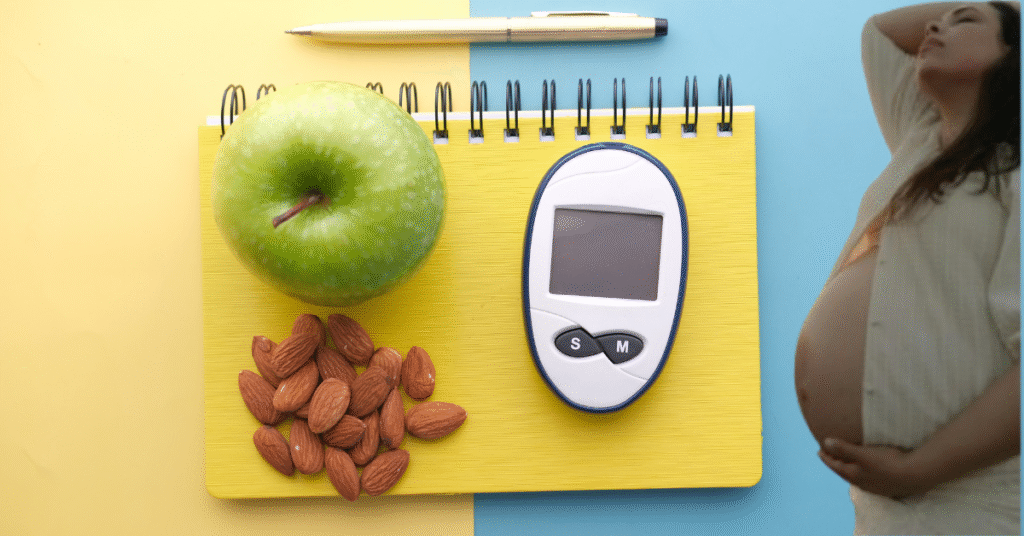
Proper diet, regular medical attention, and paying attention to your body’s signals are the first steps towards a safe pregnancy. Focusing on the fundamentals guarantees a safe and healthy journey, but first-time mothers frequently feel overwhelmed by shifting guidelines and viewpoints.
Consume Nutrient-Rich, Balanced Meals
A healthy diet promotes the growth of both you and your child. Among the essential food groups are:
- Lean meat, eggs, beans, and tofu are sources of protein.
- Almonds, cheese, yogurt, and milk all contain calcium.
- Iron: red meat, lentils, and leafy greens
- Foods high in folate include broccoli, peanuts, and spinach.
- Nuts, seeds, and avocados are good sources of fat.
These nutrients aid in the development of your baby’s organs, bones, and brain.
Consume prenatal vitamins
Prenatal vitamins like these are typically advised by doctors:
- Folic acid (avoids birth abnormalities)
- Iron (avoids anemia)
- Calcium (promotes the growth of bones)
- Omega-3 DHA (development of the brain)
Supplements should never be taken without first consulting a doctor.
Keep Yourself Hydrated
Your body need more fluids during pregnancy. To maintain healthy blood circulation, digestion, and amniotic fluid levels, consume two to three liters of water per day.
Plan Frequent Prenatal Examinations
Frequent visits help evaluate your health, follow the baby’s growth, and identify any issues early. A safer pregnancy is ensured by frequent checkups, ultrasounds, and blood tests.
Engage in Safe Exercise
Walking, pregnant yoga, and stretching are examples of mild physical exercises that enhance posture, lessen edema, and facilitate delivery. Prior to beginning any exercise regimen, speak with your doctor and steer clear of intense workouts.
Steer clear of dangerous substances
First-time mothers should abstain from:
- Alcohol
- Smoking
- Too much caffeine
- Foods that are raw or undercooked
- Unprescribed drugs
For your baby’s development to be healthy, you must shield them from hazardous exposure.
Promoting Your Emotional and Mental Health

Pregnancy has a profound emotional influence and is more than just a physical experience. For first-time mothers, mood swings, anxiety, and hormonal shifts are common, but controlling them constructively is crucial for a calm experience.
Recognize Your Feelings
It’s common to experience anxiety one day and excitement the next. Share your feelings with your partner, family, or physician instead of repressing them. Give yourself freedom to feel everything without passing judgment and trust your gut.
Use techniques for relaxation.
Easy methods can significantly lower stress levels:
- Deep breathing techniques
- Meditation during pregnancy
- Stretching lightly
- Playing relaxing music
Maintaining calmness promotes better sleep and a more positive outlook.
Get Enough Sleep and Rest
Your body puts in more effort when you are pregnant. Getting enough sleep is crucial for:
- Minimizing exhaustion
- Encouraging the growth of infants
- Keeping hormones in balance
Try to get between seven and nine hours of sleep per day, and when necessary, take quick naps.
Make Connections with Other Moms
You can learn from real-life experiences by participating in online pregnancy groups or speaking with seasoned mothers. Additionally, it helps you feel less alone and more supported.
Establish Limits and Lower Stress
Steer clear of stressful situations and unfavorable surroundings. If you’re feeling overburdened, it’s acceptable to turn down assignments or events. Be in the company of positive people.
Talk to Your Partner
Assign tasks, discuss future plans, and go to checkups together. Your partner’s emotional support can significantly lower anxiety.
Getting Ready for Childbirth and the Motherhood Journey
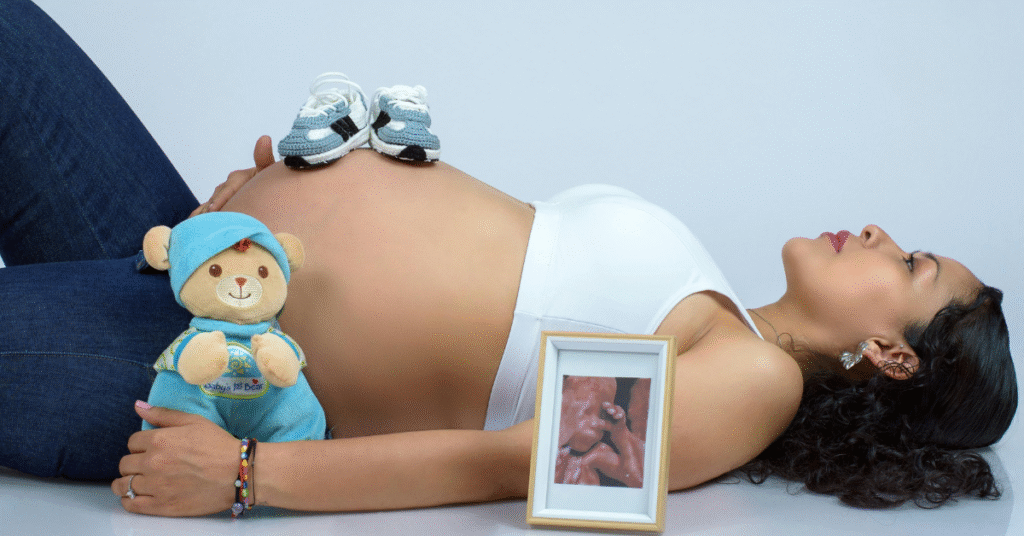
Motherhood and childbirth can be unsettling for first-time mothers. Early preparation eases the transition and lessens anxiety at the last minute.
Learn About Delivery and Labor
Fear is lessened when one is aware of the labor process. Consider:
- Prenatal education
- Videos for preparing for childbirth
- Reading books about pregnancy
- Acquiring knowledge of breathing and relaxing methods
On the big day, you’ll feel more assured and ready.
Make a Birth Plan
Your preferences for delivery are outlined in a birth plan, including:
- Pain-assisted or natural labor
- The ideal position for giving delivery
- Who do you want in the space?
- Choices for immediate neonatal care
Talk about your plan with your physician beforehand.
Get Your Hospital Bag Ready Early
To avoid the last-minute rush, pack your bag by the eighth month. Among the necessities are:
- Medical records
- Cozy attire
- Toiletries
- Blankets and baby clothing
- Water bottle and snacks
Labor Day is less stressful and more seamless when preparation is done in advance.
Prepare Your House for the Baby
Get your house ready for the baby’s arrival:
- Make your sleeping area tidy.
- Keep diapers, wipes, and other necessities for newborns on hand.
- Set up a nursing station.
- If necessary, make the area baby-proof.
Gradually preparing helps you stay calm.
Learn the Fundamentals of Newborn Care
Knowing the fundamentals of a baby boosts the confidence of new mothers:
- Burping
- Changing diapers
- Techniques for bathing
- Swaddling
- Positions for feeding
With repetition, these abilities become second nature.
Remain Adaptable and Open-Minded
Every pregnancy and child is unique. It’s acceptable when things don’t always go according to plan. You can embrace parenting with delight if you adjust with patience.
FAQ’s
1. After confirming her pregnancy, when should a first-time mother see a doctor?
Unless you have discomfort, bleeding, or other uncommon signs early, this usually happens within 6 to 8 weeks of pregnancy.
2. What is the recommended weight gain during pregnancy?
Depending on their body shape, most women gain between 10 and 15 kg. Your physician will make recommendations based on your health.
3. Can I work when I’m pregnant?
Yes, provided that your pregnancy is going well. Steer clear of hard lifting, take breaks, and drink plenty of water.
4. What foods should I stay away from during my pregnancy?
Steer clear of undercooked meat, alcohol, uncooked fish, unpasteurized dairy, and too much caffeine.
5. Is it typical to constantly feel exhausted?
Indeed, hormonal fluctuations frequently cause weariness. Eat wholesome meals, rest, and stay hydrated.
Conclusion
Pregnancy is an amazing journey full of new experiences, feelings, and changes, especially for first-time mothers. You can have a healthier, happier, and more self-assured pregnancy by emphasizing good nutrition, maintaining an active lifestyle, fostering mental well-being, and being ready for delivery early. Recall that there isn’t a “perfect way” to be a mother. Give yourself the attention you deserve, follow your gut, and remain informed. This is only the beginning of your incredible journey; motherhood is a wonderful chapter.

Arif Akhtar is a professional blog writer, SEO expert, and content reviewer with a Master’s degree in Digital Marketing and E-commerce. He specializes in creating well-researched, engaging, and SEO-optimized content that drives organic traffic, builds brand authority, and delivers real value to readers. With a strong analytical approach and deep understanding of search engine algorithms, he reviews and refines content to ensure accuracy, clarity, and high performance across digital platforms.