
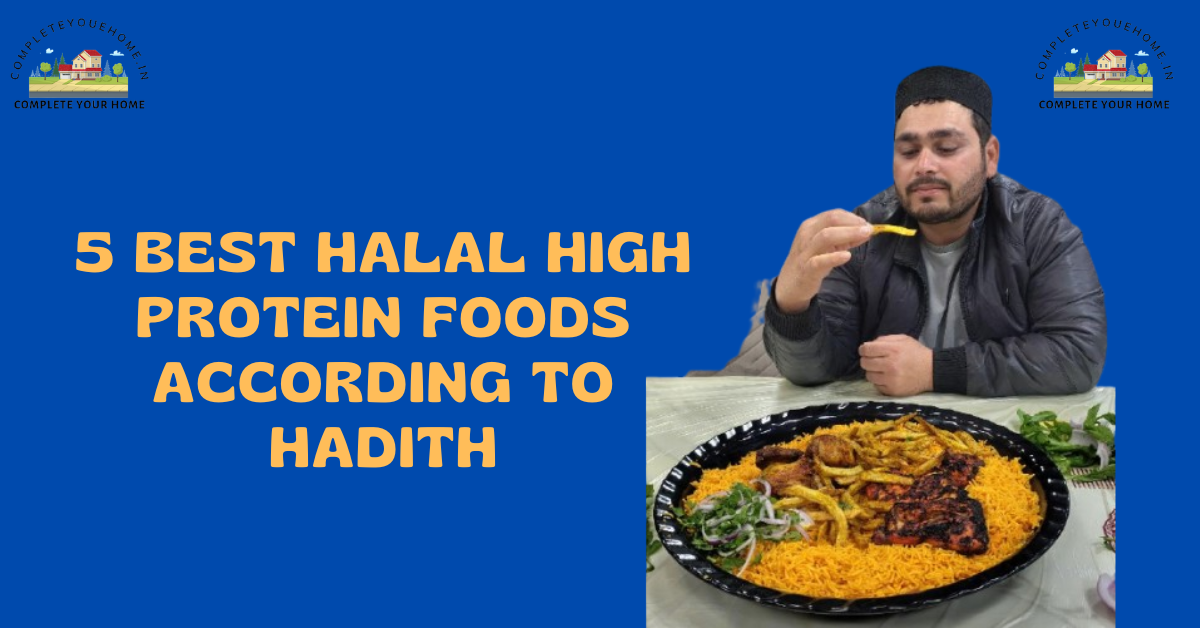
Islam encourages Muslims to eat halal and beneficial foods that support health and strength. Many foods mentioned in Islamic tradition also contain important nutrients such as protein, vitamins, minerals, and healthy fats.
Protein is essential for muscle growth, tissue repair, immune system support, and energy production. The foods commonly consumed during the time of the Prophet ﷺ—such as milk, meat, fish, honey, and dates—provide valuable nutrition.
Below are five halal foods connected to hadith, along with their approximate nutritional value per 100 grams.
1. Milk
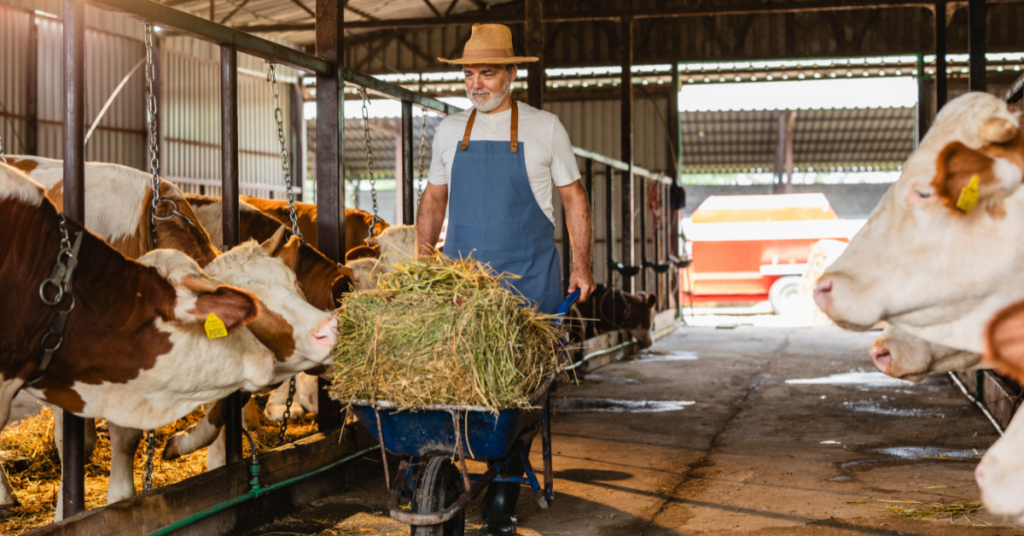
Milk is considered a nourishing drink in Islamic tradition. A narration reported by Abdullah ibn Abbas states that the Prophet ﷺ described milk as containing the benefits of both food and drink.
Nutritional Value (per 100g of cow milk)
- Protein: 3.3 g
- Calcium: 120 mg
- Fat: 3.4 g
- Carbohydrates: 5 g
- Calories: 42 kcal
Health Benefits
- Supports bone health
- Helps muscle development
- Provides hydration and nutrition
Halal Milk Sources
- Cow milk
- Goat milk
- Camel milk
2. Meat (Lamb / Mutton / Beef)

Meat is a rich source of protein and was commonly eaten during the time of the Prophet ﷺ. According to a narration by Anas ibn Malik recorded in Sahih al-Bukhari, the Prophet ﷺ preferred the shoulder of lamb.
Nutritional Value (per 100g)
Beef
- Protein: 26 g
- Iron: 2.6 mg
- Fat: 15 g
- Calories: 250 kcal
Mutton / Lamb
- Protein: 25 g
- Iron: 1.8 mg
- Fat: 20 g
- Calories: 294 kcal
Health Benefits
- Builds muscle mass
- Improves energy levels
- Supports red blood cell production
Examples of Halal Meat
- Lamb
- Mutton
- Beef
- Goat
- Chicken
(All must be slaughtered according to halal guidelines.)
3. Fish
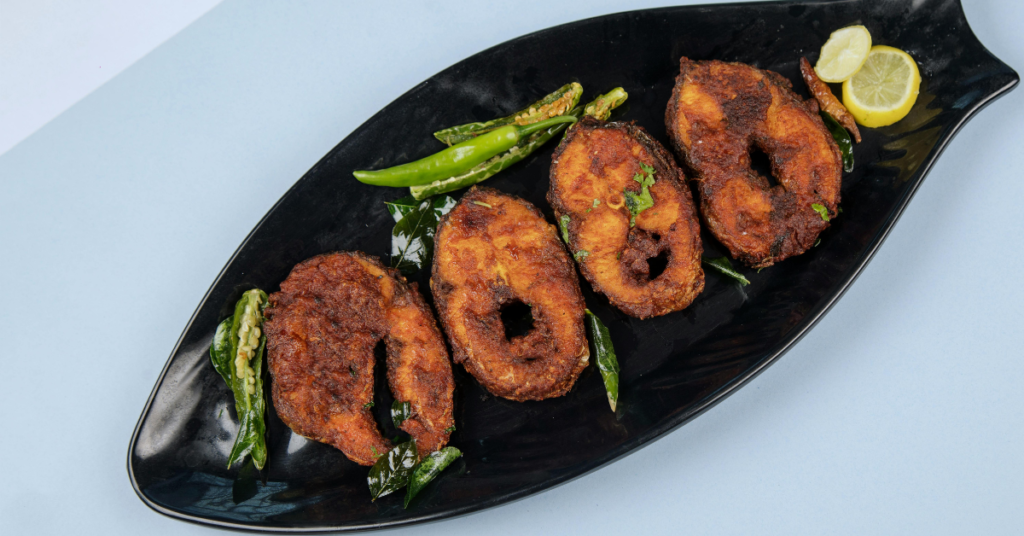
Fish is considered halal and is a healthy source of lean protein. Seafood is generally permissible in Islam and provides many nutritional benefits.
Nutritional Value (per 100g fish)
- Protein: 20–22 g
- Omega-3 fatty acids: 1–2 g
- Fat: 5–12 g
- Calories: 206 kcal
Health Benefits
- Supports heart health
- Improves brain function
- Provides lean protein
Examples of Fish
- Tuna
- Salmon
- Sardines
4. Honey

Honey is mentioned in Islamic teachings for its healing properties. A narration reported by Abu Sa’id al-Khudri in Sahih al-Bukhari states that the Prophet ﷺ recommended honey as a remedy.
Nutritional Value (per 100g)
- Protein: 0.3 g
- Carbohydrates: 82 g
- Natural sugars: 82 g
- Calories: 304 kcal
Health Benefits
- Provides natural energy
- Contains antioxidants
- Supports digestive health
Honey is often consumed with warm water or milk.
5. Dates
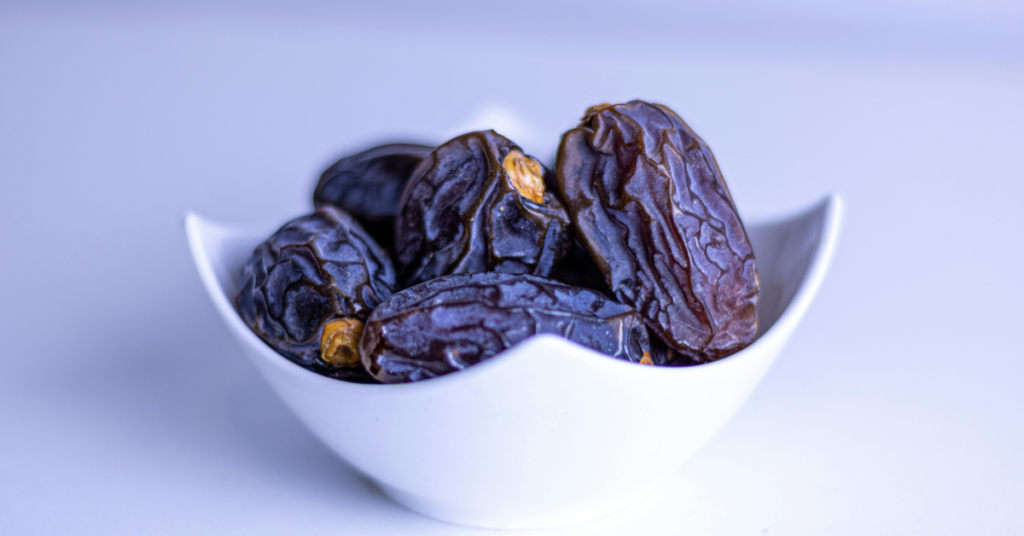
Dates were a staple food in early Islamic society and were frequently eaten by the Prophet ﷺ. A narration reported by Sa’d ibn Abi Waqqas in Sahih Muslim mentions the benefits of Ajwa dates.
Nutritional Value (per 100g)
- Protein: 2 g
- Fiber: 7 g
- Carbohydrates: 75 g
- Potassium: 656 mg
- Calories: 277 kcal
Health Benefits
- Provides quick energy
- Supports digestive health
- Contains important minerals
Dates are often eaten with milk for a balanced and nutritious meal.
Sunnah-Inspired Protein Meal Example
A simple meal based on traditional foods could include:
- Dates with milk
- Lamb, mutton, beef, or chicken
- Fish
- Honey mixed with warm water
These foods follow halal dietary principles and provide important nutrients for the body.
Conclusion
Foods mentioned in Islamic tradition are not only halal but also nutritionally valuable. Milk, meat (including beef and mutton), fish, honey, and dates all provide different nutrients that contribute to a balanced diet.
Among these foods, meat and fish are the highest sources of protein, while milk provides balanced nutrition, and dates and honey offer natural energy. When combined in moderation, these foods help support strength, health, and overall well-being.
Following halal nutrition while maintaining balance in diet allows Muslims to benefit from foods that are both spiritually acceptable and physically nourishing.

Hayy, I am Mohaddis Hayat, I specialize in helping businesses optimize their websites and content for search engine visibility. I use a combination of search engine optimization (SEO) techniques such as keyword research, content optimization, link building, and technical SEO to help businesses achieve higher rankings in search engine results pages (SERPs). I also work closely with clients to develop effective SEO strategies that will help them reach their goals. I am knowledgeable about the latest SEO trends, algorithms, and best practices, and I am passionate about helping businesses succeed online.